I've been fortunate. At every inflection point in my career, when I was faced with the unknown, when I took on a new role, when I needed to make a hard call, someone showed up. A mentor.

Some of them stayed with me for years. Some for a few months. A few I genuinely didn't like, but somehow they taught more than the ones I did. Others were less about the work, but were always there when I needed someone in my corner. I'm at a point where I can offer this to others.

Cory Haldeman

The insight

Why now? Because mentorship is getting harder to find at the exact moment it matters most. Too many executives operate from insecurity rather than clarity, hoarding information, managing through fear, treating people as resources to be optimized rather than people to be developed.

I've watched this pattern erode organizations from the inside. Not dramatically. Slowly. The best people leave first. Then the next-best stop trying. Eventually you're left with an organization that executes but doesn't innovate, that functions but doesn't grow.

Organizational empathy is the ability to build systems that account for human reality.That's not idealism. It's structural.

The framework

Organizational empathy isn't taught. It's modeled. The leaders I've learned the most from operated this way instinctively. Not through motivational speeches or culture initiatives, but through how they actually built things.

Give people something to be proud of.

Through the quality of what you build together. Not rhetoric. Pride follows from actually caring about the work, which follows from being genuinely included in it.

Give people something to be part of.

Real ownership, not fake empowerment. Sharing information even when it's uncomfortable. Treating disagreement as valuable input rather than insubordination.

Give people something to build.

The best organizations are ones where talented people can see their contribution compounding over time. Where they're building something that will outlast them.

My lens

Before I spent two decades in enterprise transformation, I spent my early adulthood studying how different religious traditions answer the same fundamental questions.

The truth is there is no Truth. But there is a pattern. Something that ties it all together. This is what I carried forward: always look for the patterns beneath the surface.

This shapes how I approach every organizational challenge. The patterns aren't new. They're familiar tensions in new contexts. My role is helping leaders see how those patterns stretch vertically and horizontally across their organization, and leverage that insight to move themselves, their teams, and the broader system forward.

How I work

Helping people develop their own judgment.

Mentoring isn't about transferring what I know. It's about creating the conditions for someone to find their own clarity.

Ask before you tell.

The instinct is to share what you've learned. Resist until you understand what they're actually stuck on.

Name the pattern, not just the answer.

"Here's what I'd do" is less useful than "Here's the question I'd ask myself in situations like this."

Make yourself unnecessary faster than feels comfortable.

The goal isn't that they come back to you. It's that they develop their own judgment.

Questions I often ask

"Without the story, can you breakdown what's actually happening here?"

"What assumption are you making that you're afraid to say out loud?"

"Has this dynamic played out in other areas of the business, or your professional life?"

"What's the thing you're not saying?"
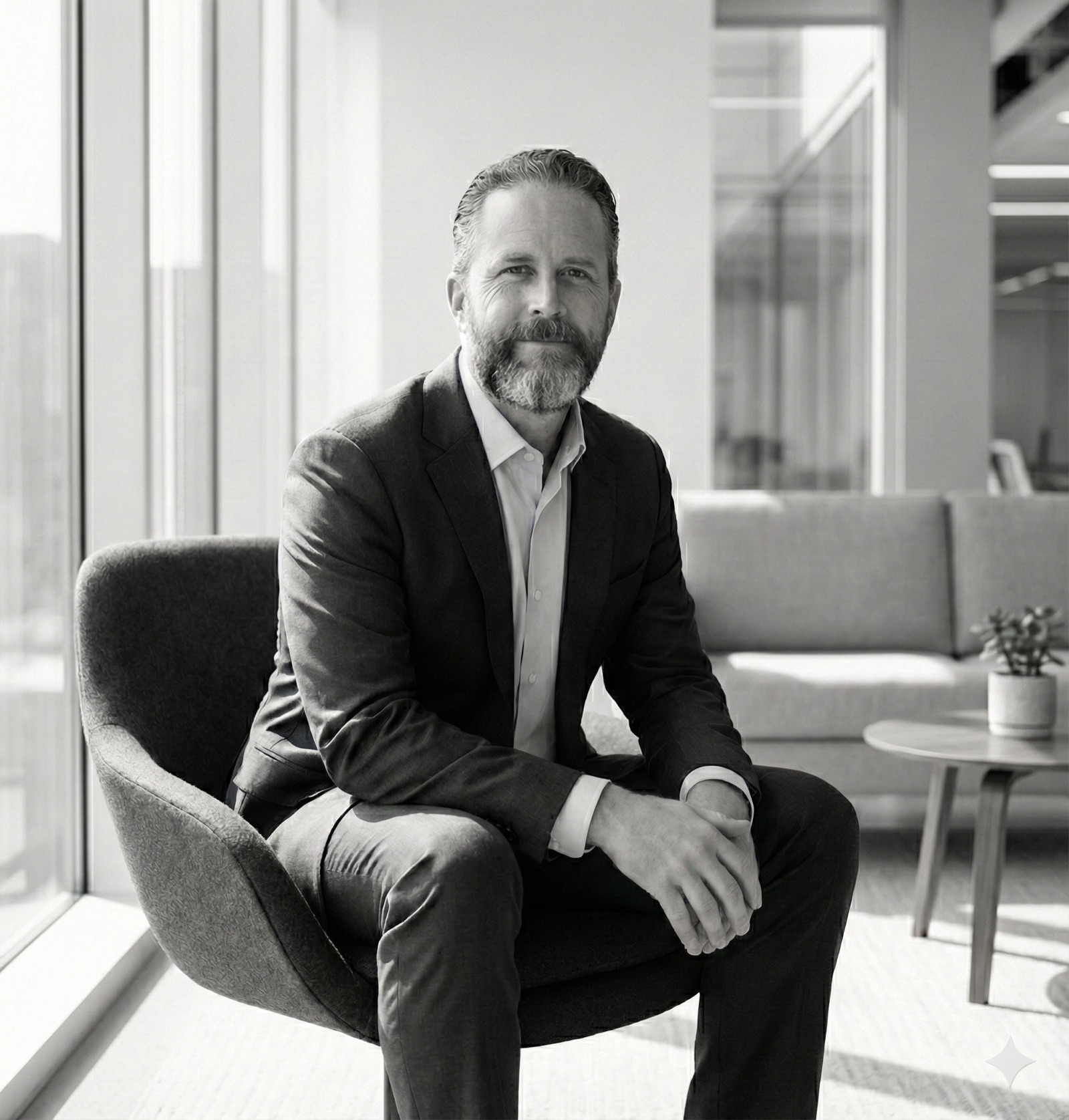
20+ years in enterprise technology. Former Chief Transformation Officer at Code and Theory. Leadership roles at Adobe and Verizon. I've made a lot of mistakes and learned from most of them.

If what you've read here resonates, I'd welcome a conversation.

This isn't a contract or a service. It's me paying forward twenty years of people showing up for me. I can only take on a handful of people at a time, but I'll respond to every email, even if I don't have the capacity right now.

me@coryhaldeman.com